
SGG Guide
Gold Jewelry Appraisals and Insurance: What Your Piece Is Really Worth
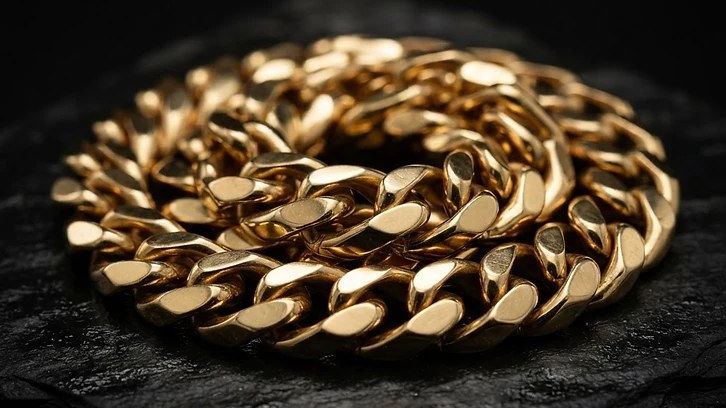
One Piece, Three Different Values
The same gold chain can have three prices at once, and most confusion about jewelry value comes from mixing them together.
- Replacement value: what it costs to buy the piece again from a retailer. This is the number an appraisal is written for.
- Melt value: what the gold content is worth as metal. This moves with the gold market and it is the floor under a solid piece.
- Resale value: what a buyer will pay you, which tracks melt value after the buyer's margin and refining costs.
None of those numbers is dishonest. They answer different questions, and the value article goes deeper on the middle one.
What an Appraisal Is Actually For
An appraisal exists so that a replacement can be funded. It is a document about what the piece is and what it would take to obtain an equivalent one, which is exactly what an insurer needs and exactly what a resale buyer does not.
That is why an appraisal is not a promise you can sell at that number. Anyone who tells you otherwise is either confused or selling something.
What Belongs on the Document
Thin appraisals are the ones that cause arguments later. A usable one includes:
- Metal and karat, stated as stamped, such as 14K yellow gold
- Exact gram weight, measured rather than estimated
- Dimensions: length, width, and link or setting style
- Stone details where applicable: type, count, sizes, cut, color, clarity
- Replacement value, with the effective date
- Appraiser name, credentials, signature, and date
Gram weight is the line people skip and the one that matters most on a heavy piece. A 25mm Cuban at 20 inches carries over 500 grams of metal, and an appraisal that ignores that number is a description, not a valuation.
Who Should Do the Appraisal
For lower value pieces, documentation from the seller is usually enough. For anything substantial, particularly a made to order statement piece, use someone who appraises professionally and will put their name on the document.
Ask two questions before you pay for one: what is your credential, and are you independent of the sale. A store appraisal is convenient. An independent appraisal carries more weight if a claim is ever questioned.
Insurance: Schedule It Rather Than Assume It
Most homeowners and renters policies cap coverage for jewelry, and the cap is often lower than people expect. The usual fix is to schedule the piece, which means listing it separately with its own insured value, usually backed by an appraisal and photographs.
Three practical points:
- Ask what the policy actually does away from home, since travel and shipping are when losses happen.
- Ask about the deductible on scheduled items, because it can differ from the main policy.
- Keep the appraisal, receipt, and photographs together, in a place that is not the jewelry box.
We are jewelers rather than insurance advisors, so treat this as the list of questions to bring to your agent rather than advice.
Why Re-Appraising Is Part of Ownership
Gold moves, and an insured value set years ago stops matching replacement cost. Every two to three years is a reasonable rhythm, and immediately after a piece is altered, re-set, or added to.
If you are buying with the intention of holding for a long time, buying by weight is what makes the paperwork meaningful in the first place. The per gram guide explains how the arithmetic works, and the custom statement piece guide covers how documentation is handled on a commission.
Before You Ship or Travel
Insured shipping with a signature requirement is not decoration. It is the difference between a claim being routine and being a dispute. Photograph the piece, keep the gram weight on record, and never send significant jewelry through ordinary mail.
Call or text (206) 250-0833 if you need the specifications on a piece we made, or book a Renton appointment and we will put the details in writing for your appraiser.
Frequently Asked Questions
Ask us about this article
Send a question and our team replies to the email or phone you leave.